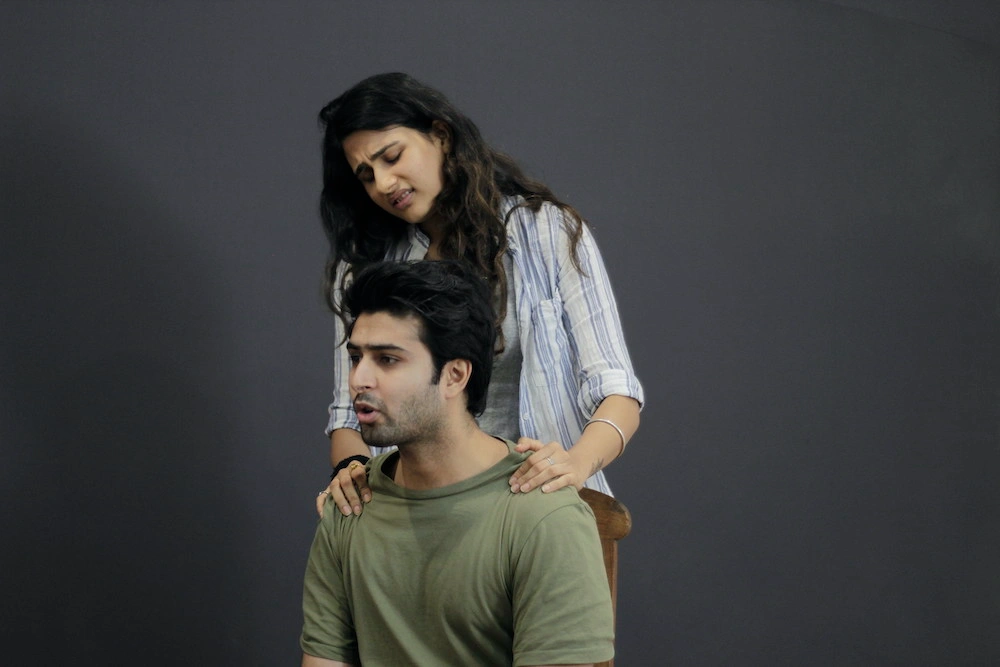
About Anti Acting

Anti Acting is not a technique. It is a return to first principles. It is the radical proposition that the actor’s primary task is not to perform but to be—to live truthfully under imaginary circumstances, moment by moment, breath by breath, in full surrender to the story and the scene partner.

Built on a single, unshakeable foundation:

Before you are an actor, you are a human being. And it is the human—in all their messy, glorious, feeling complexity—who becomes the actor.

Your instrument is not just your voice, your body, or your technique. Your instrument is you—your unique history, your wounds, your joys, your contradictions, your capacity to feel and be affected by the world. Everything else is decoration.

The Core Principles:

1. Stop Pretending. Start Living.

Sanford Meisner defined acting as “the ability to live truthfully under the imaginary circumstances.” Notice what is missing from this definition. There is no mention of emotion. No instruction to feel. No command to cry or rage or laugh.

The directive is simplelive truthfully. When you live truthfully—when you are fully present, listening with your entire being, responding spontaneously to what your partner does to you—emotion is not something you manufacture. It is something that happens to you. It is the byproduct of authentic engagement, not the goal of it.

Anti Acting asks: What if you stopped trying to feel and simply allowed yourself to be affected?

2. The Imagination Is Sovereign

The most pervasive and dangerous myth in actor training is that great emotion must come from great personal pain. Generations of actors have been taught to excavate their own trauma, to return again and again to the sites of their deepest wounds, mining them for tears and terror. This is not only psychologically dangerous—it is artistically limiting. Your personal history is finite. The character’s life is infinite. Anti Acting replaces emotional memory with imaginative construction. You do not recall a feeling from your past. You build a circumstance so vivid, so specific, so personally resonant that your entire being responds as if it were true. Your imagination is a sovereign territory. You are its architect. You can construct any reality, inhabit any life, feel any emotion—and when the work is done, you can step out whole, unharmed, in control. This is the actor’s ultimate freedom.

3. The Script Is a Blueprint, Not a Prison

Many actors approach a script as a set of instructionsbe angry here, cry here, pause for effect. They annotate emotions, lock in line readings, pre-decide every beat. By the time they step into the scene, they are not living—they are executing a plan.

Anti Acting demands the opposite: learn the lines flat. Memorize them as pure information, devoid of emotional coloring, so they become second nature—so present in your body that you can forget them entirely.

Then, when the scene begins, your only task is to listen. To receive your partner. To let their words, their silence, their energy affect you in real time. The lines will take care of themselves. The meaning will emerge from what happens between you, not from what you decided beforehand.

4. Listening Is the Invisible Architecture

If Anti Acting has a single, non-negotiable practice, it is thislisten to be affected. Many actors do not truly listen. They audit words while their minds race ahead—rehearsing their next line, judging their performance, worrying about the camera. They are sealed inside their own commentary, unreachable by the living moment. Anti Acting trains the actor to listen with the entire being. To receive the partner’s words not as cues but as impacts. To allow each sentence to land, to wound, to heal, to transform. To let the impulse for the next line be generated by what was just received, not by what was planned.

When you listen this way, something miraculous occurs: your reactions become inevitable. Your partner’s behavior writes the scene in real time. You are no longer acting at someone. You are living with them.

5. The Character Is Not a Costume

A character is not a collection of mannerisms, an accent, or a wardrobe. A character is a life—a complete human being with a history, a psychology, a wound, a hunger. Anti Acting builds characters from the ground up: not from external traits, but from internal architecture. What happened in this person’s childhood? What wound do they carry? What void are they trying to fill? What flawed strategy have they adopted to survive? These are not intellectual questions to be answered and forgotten. They are invitations to imagine—to build, brick by brick, a Living Memory Bank so vivid that the character’s past becomes as real to you as your own. When you have done this work, you do not play the character. You are the character, responding from a lifetime of imagined experience.

“Don’t use your conscious past. Use your creative imagination to create a past that belongs to your character. I don’t want you to be stuck with your own life. It’s too little.”— Stella Adler

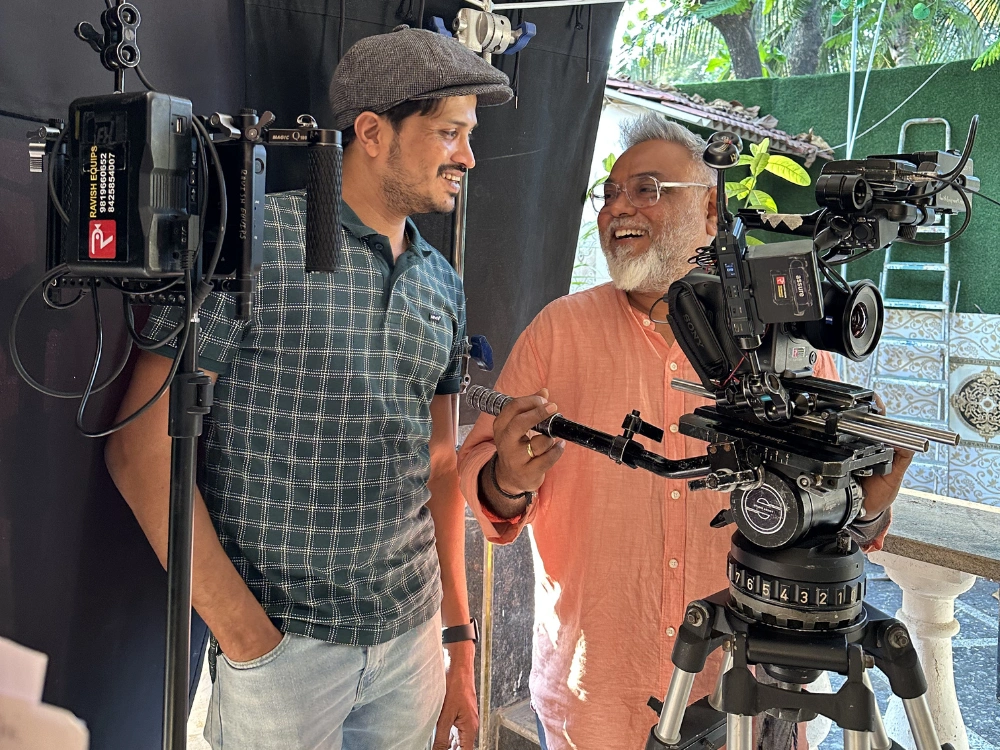
6. The Camera Sees Everything

On stage, you must reach the back row. On screen, the camera is inches from your soul. Screen acting is not about projection—it is about permission. Permission to be still. Permission to think. Permission to let a micro-story flicker across your eyes and trust that it will be seen. Anti Acting teaches the actor to calibrate truth to the frame. In wide shot, the body speaks. In close-up, the soul is exposed. The work is the same—truthful human behavior—but the instrument must be tuned to the storytelling canvas.

7. The Director Is Not Your Enemy

Too many actors approach direction as a threat to their carefully constructed performance. A note becomes a crisis. An adjustment becomes a surrender. Anti Acting reframes the actor-director relationship as a sacred alliance. The director holds the vision of the whole; you hold the truth of the part. Your job is not to defend your choices but to translate direction into deeper truth. When a director says “more anger,” they are not asking you to demonstrate rage. They are telling you that your obstacle is not yet felt, your stakes not yet high enough. Your task is to return to the circumstances—to make the betrayal more vicious, the stakes more urgent, the need more desperate—and let the anger arise from that intensified reality.

8. Micro-Stories: The Life Between the Lines

The most powerful moments in cinema are often the quietest. A glance. A hesitation. A tear that falls without warning. These are micro-stories—the unspoken narratives that live in the silences, in the spaces between words, in the involuntary flickers of a face that cannot lie. Anti Acting does not chase these moments. It creates the conditions for them. When your inner life is rich and your listening is absolute, micro-stories appear not as performed choices but as documented truth. They are the soul made visible.
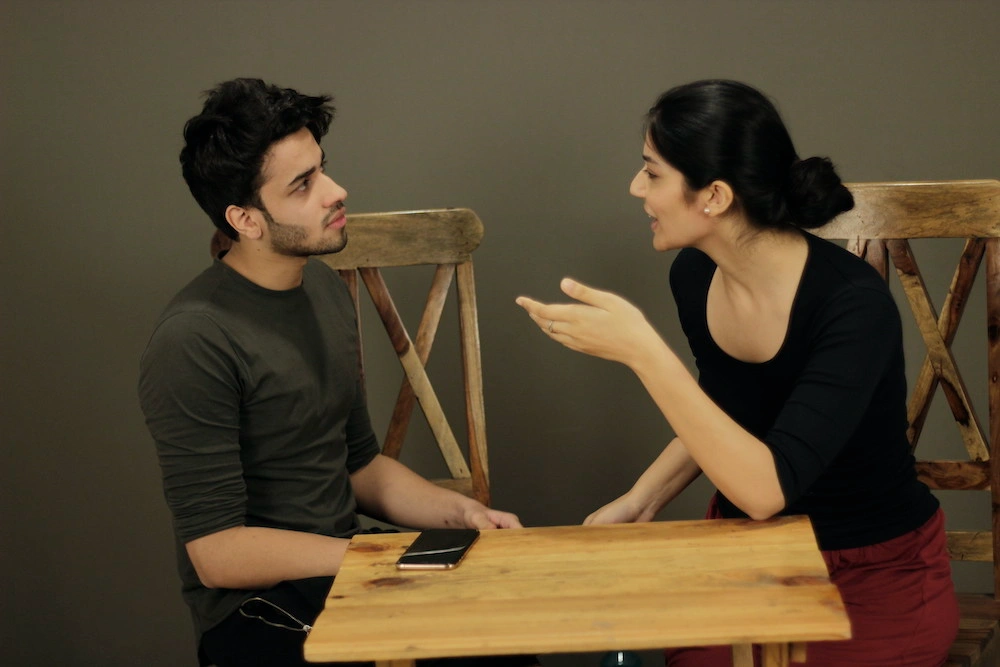
What Anti Acting Is Not?

Anti Acting is not a rejection of technique. It is a rejection of technique as a substitute for truth. Anti Acting is not anti-theatre. The stage is a magnificent forge for discipline and presence. But stage technique must be translated for the screen, not exported unchanged.

It is not anti-emotion. It is simply honest about where emotion comes from: not from effort, but from surrender; not from memory, but from imagination; not from performance, but from presence.

The Actor's Path

The path of Anti Acting is not easy. It demands more than talent—it demands courage. The courage to be vulnerable, still, trust that your humanity is fully revealed. It demands discipline: daily practice of awareness, listening, & imaginative construction. The solitary hours spent building lives you will never live. The relentless commitment to preparation so complete that performance becomes effortless. It demands humility: the willingness to disappear into another human being, to set aside your own ego in service of a truth larger than yourself.

The Promise

If you walk this path, something profound will shift. You will stop performing emotions and start experiencing them. You will stop pretending to listen and start being genuinely affected. You will stop building characters from the outside and start growing them from within. Your work will cease to be a demonstration and become a revelation. The audience will not watch you—they will feel through you. They will recognize themselves in the truth you embody. They will leave changed, carrying something of your character in their bones. This is not the craft of pretending. This is the art of being. This is Anti Acting.

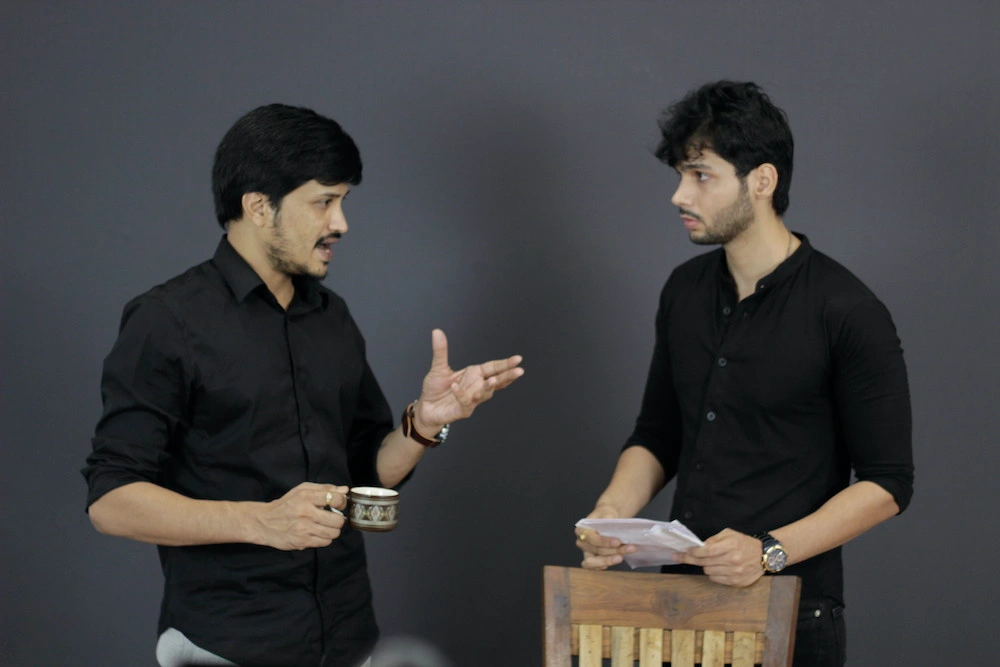
“Acting is the ability to live truthfully under the imaginary circumstances.” — Sanford Meisner

Anti Acting is the practice of making that truth inevitable.

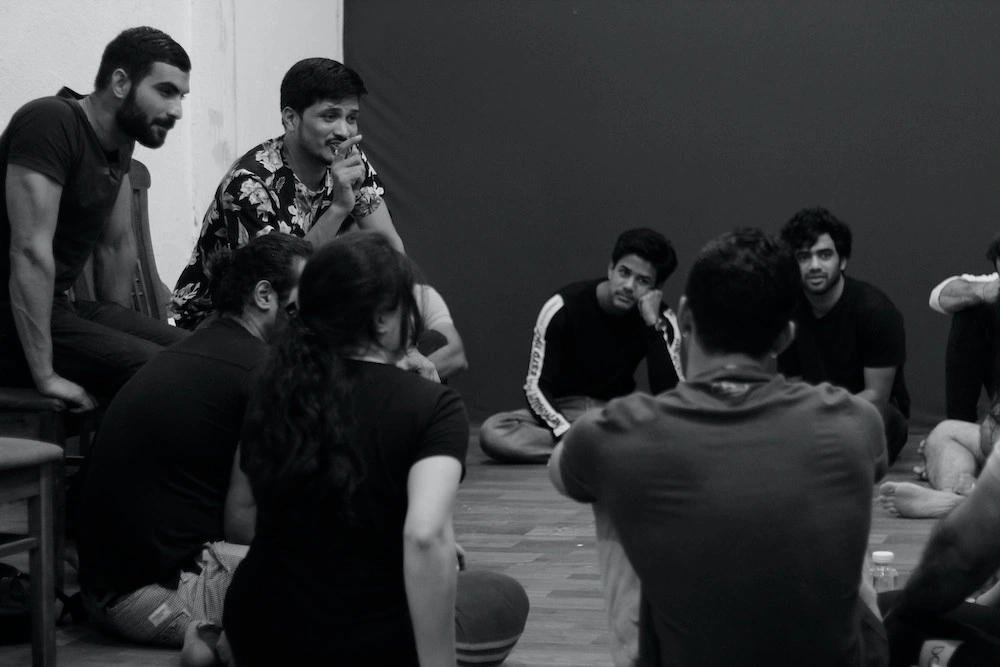
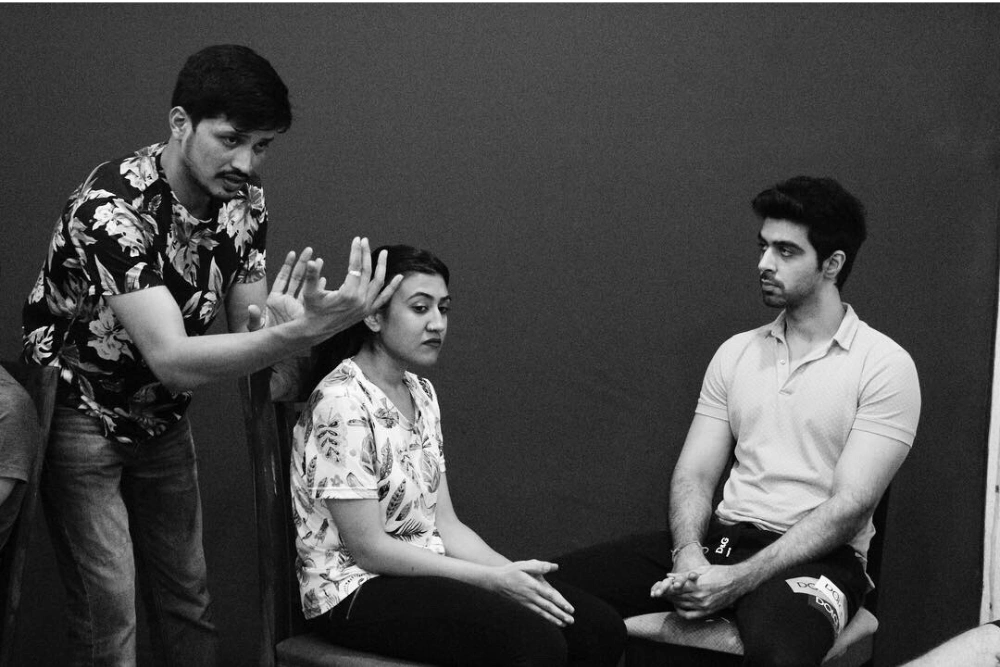
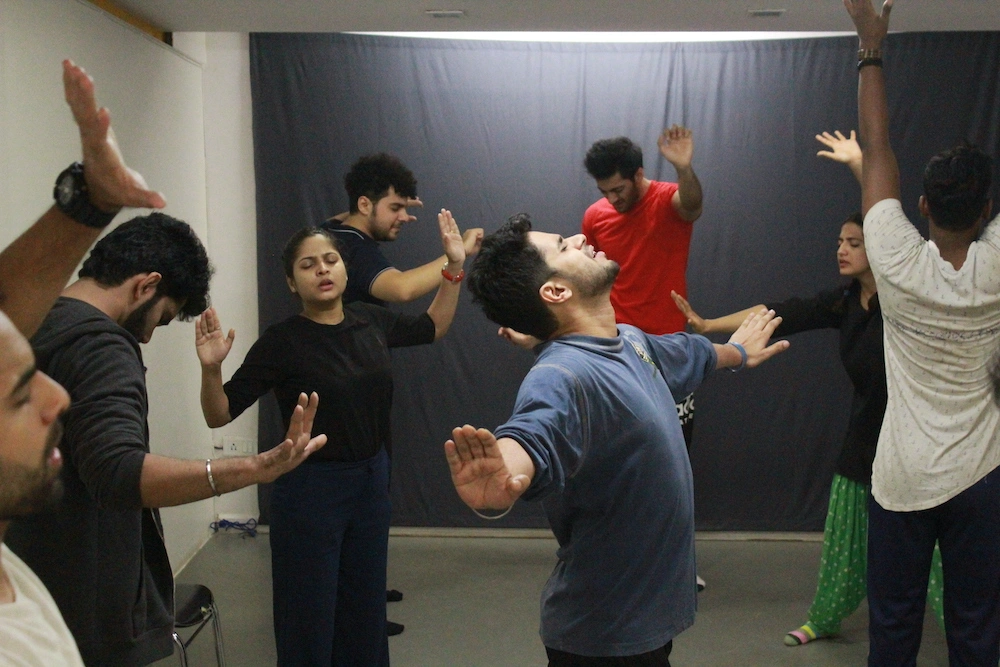
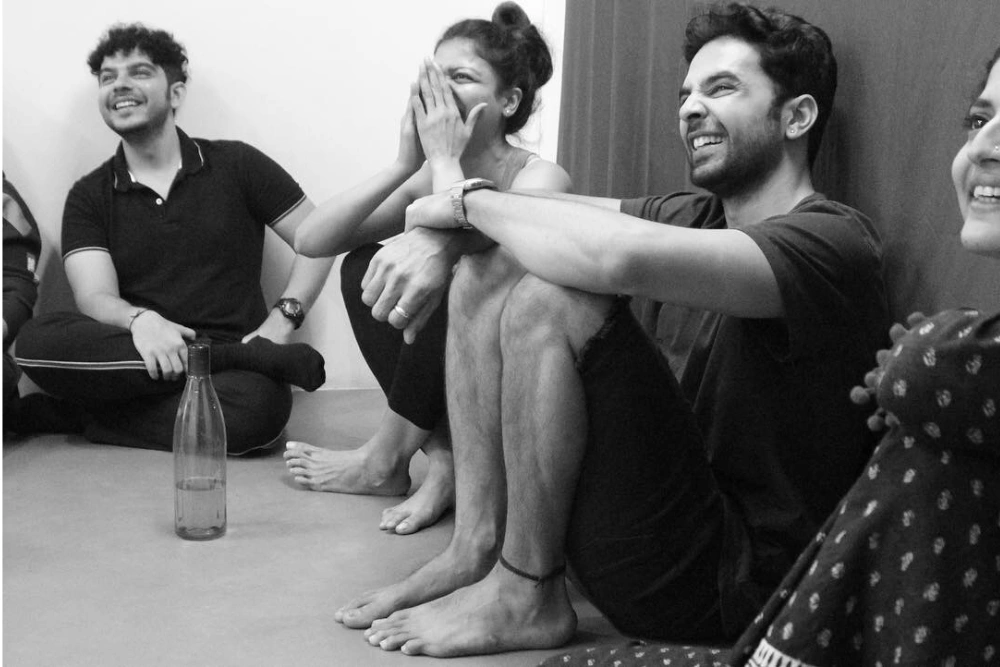
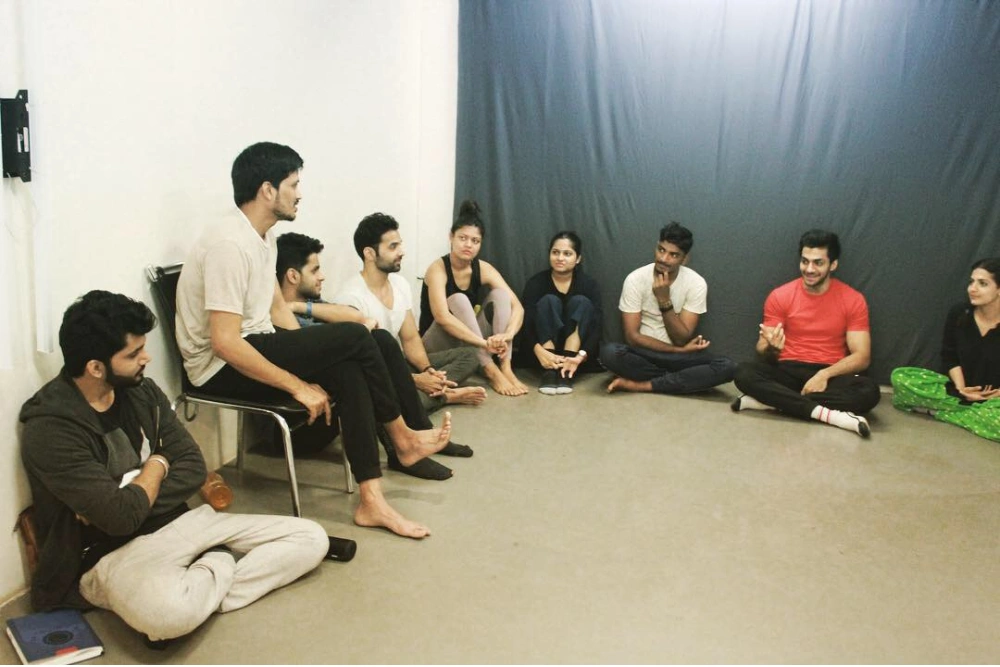
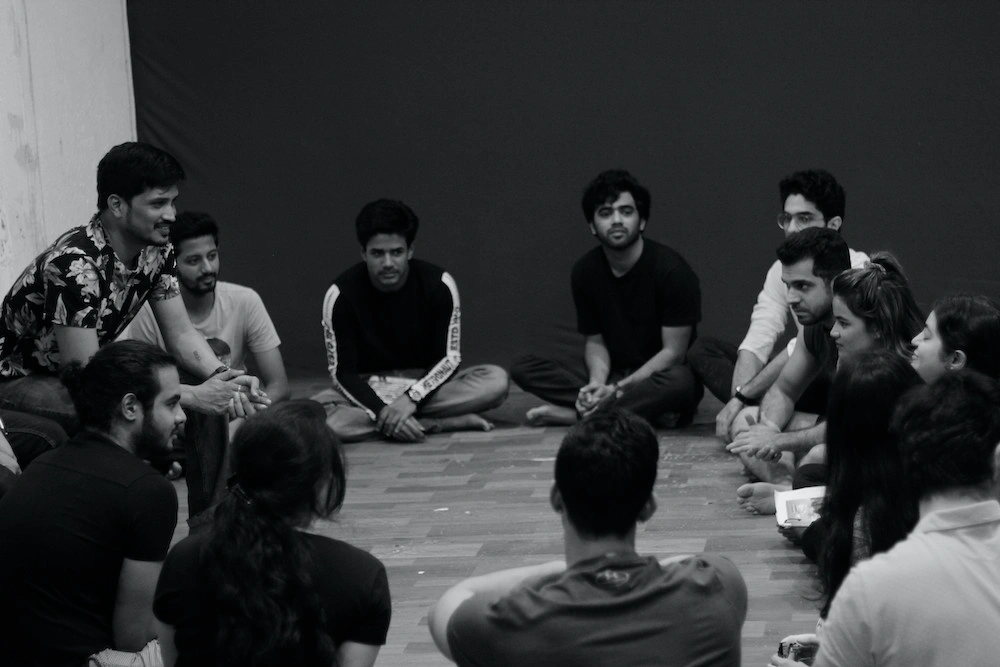
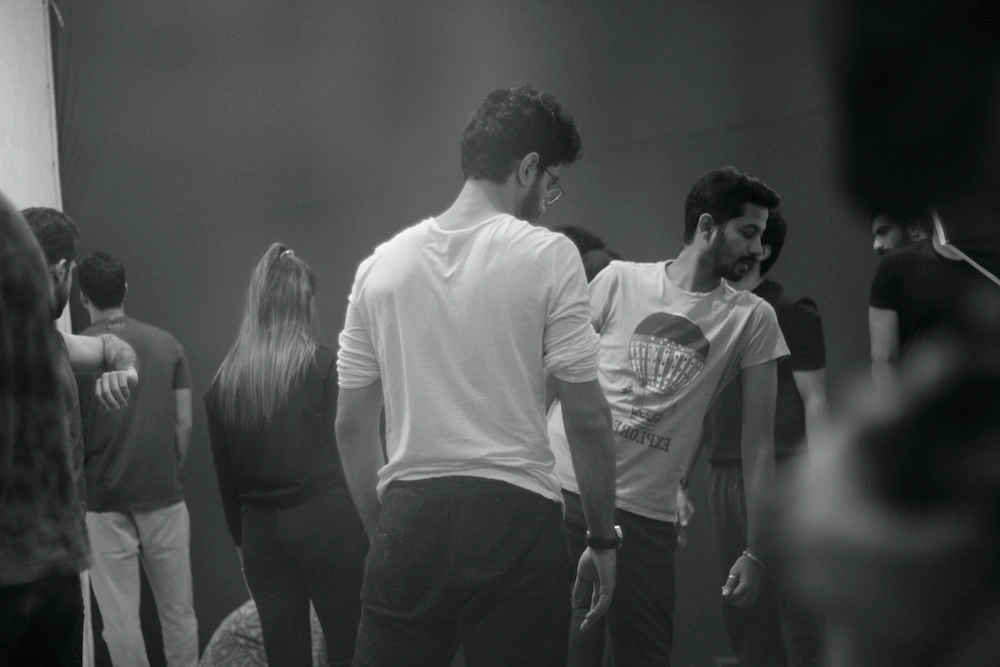
Moments From Our Acting Classes